
CASE STUDIES / Hy Cite
From Established Legacy to Category Leadership
Brand is the story you tell about what it means and how you feel about the company.
What Remains True
A company’s reputation and its brand are not the same thing. Reputation is what has accumulated over time. Brand is the story you tell about what it means.
Hy Cite had accumulated sixty years of genuine evidence, consistent growth, loyal distributors, and products worth keeping. The work was not to invent a story. It was to make the real one visible.
That is always the better strategic move. It is also harder, because it requires understanding what the company has actually built before deciding how to say it.
The Result
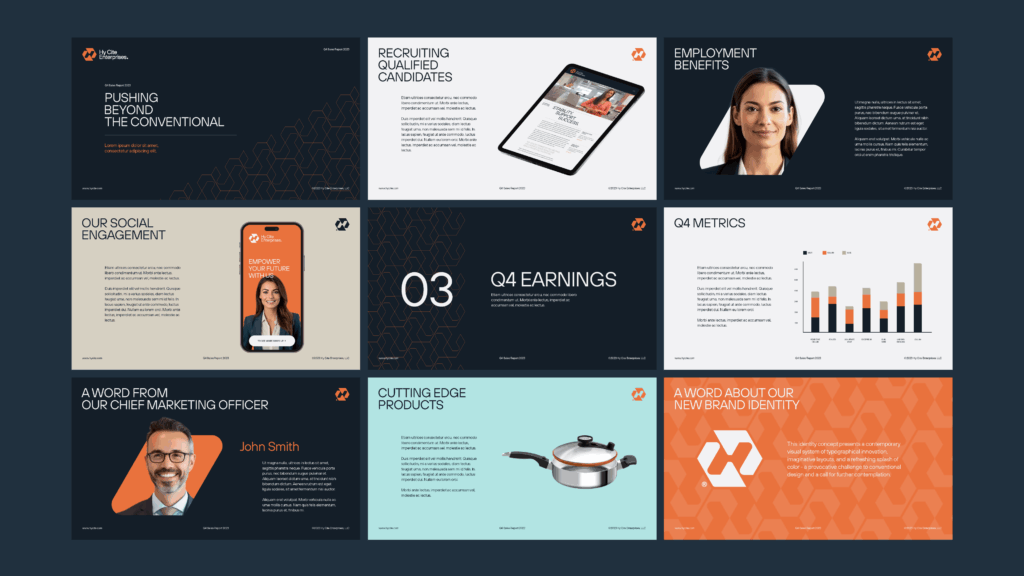
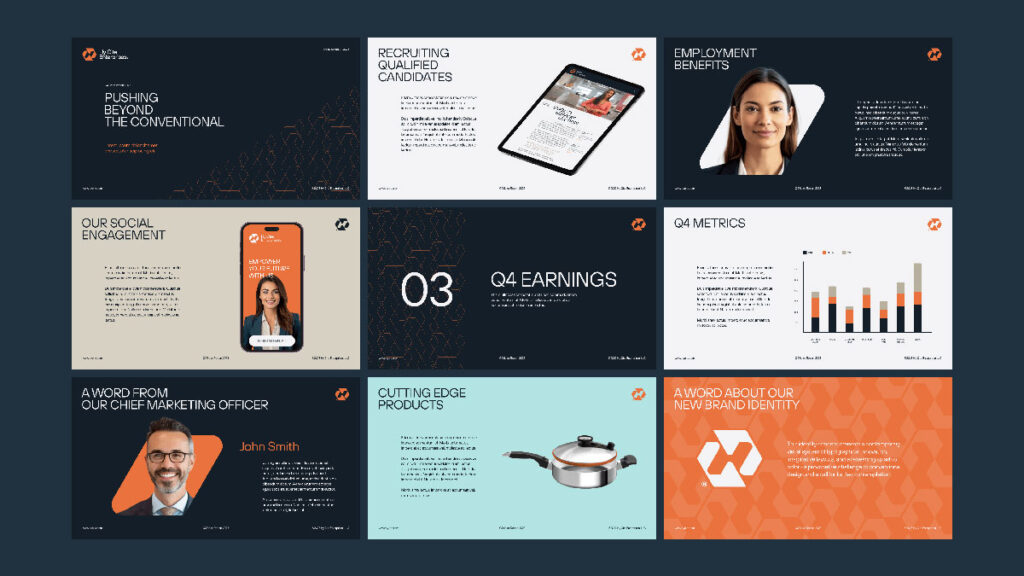
Hy Cite moved from a corporate presence that blended into the category to a brand with a defined strategic position and a visual identity built to hold it.
The new identity connected Royal Prestige’s established equity to the Hy Cite corporate story, giving the parent company relevance it had not previously claimed. The digital platform served distributors and customers across languages and markets, built for scale rather than for the moment.
The brand now had a foundation that matched the actual business: stable, established, and built for the long term.
The approach
I identified the strategic direction before any creative work began. The answer was not to run from the direct selling category or to lead with product quality. Both of those moves would have been reactive, and reactive positioning is weak.
The answer was to lead with legacy, specifically what sixty years of sustained growth actually meant: a company that had earned its place by delivering real value to distributors and customers across generations.
The strategic frame I established was this: Hy Cite is direct selling the way it was meant to work. Not a workaround. Not a shortcut. A model built around real products, real earnings, and real relationships, sustained over time because it delivered on its promises.
That framing gave the creative team a direction that was honest, differentiated, and defensible. The brand identity work, the visual language, and the digital platform all had to express a company that had earned its standing, not one that was simply announcing it.
The bilingual digital experience extended that logic. Hy Cite’s distributor and customer base spans North and South America. A brand serious about those relationships builds infrastructure that reflects them.
the core tension
the core tension
Hy Cite had a category problem and a legacy problem at the same time.
The category problem: direct selling carries a reputation for exploitative distributor relationships and disposable products. Hy Cite’s actual model was the opposite. Distributors were treated as long-term business partners. Products were built to last. The business had grown consistently for six decades.
The legacy problem: sixty years of history is an asset and a risk simultaneously. It signals stability. It also signals that the company hasn’t changed. In a market that had moved, standing still looked like falling behind.
The brand had to separate from the category’s reputation without abandoning the category. And it had to carry sixty years of history forward without being defined by it.
Disconnect
the
What people knew, or thought they knew, was the category. Direct selling. And the category carried weight that had nothing to do with Hy Cite’s actual business. The skepticism was baked into the label, and Hy Cite’s corporate brand had no platform strong enough to separate itself from it.
The company’s strength, its craftsmanship, its distributor relationships, its sustained and profitable growth, was invisible behind a name that meant nothing to anyone who hadn’t already heard of Royal Prestige, its flagship product brand.
Hy Cite Enterprises had been in business for over sixty years. More than $500 million in annual revenue. 2.8 million customers across twenty countries. An 80% first-year distributor retention rate in an industry where most companies lose people fast.