
CASE STUDIES / VSYN+
Visualizing the Inclusive Future of Streaming
Accessibility was not the headline. It was the baseline.
What Remains True
Inclusive design is not a constraint. It is a creative brief.
When a community has been overlooked, the brand you build for them cannot feel like it was adapted from somewhere else. It has to feel like it was made from the inside out.
Accessibility as baseline, not headline, is a principle that applies beyond this category.
The Result
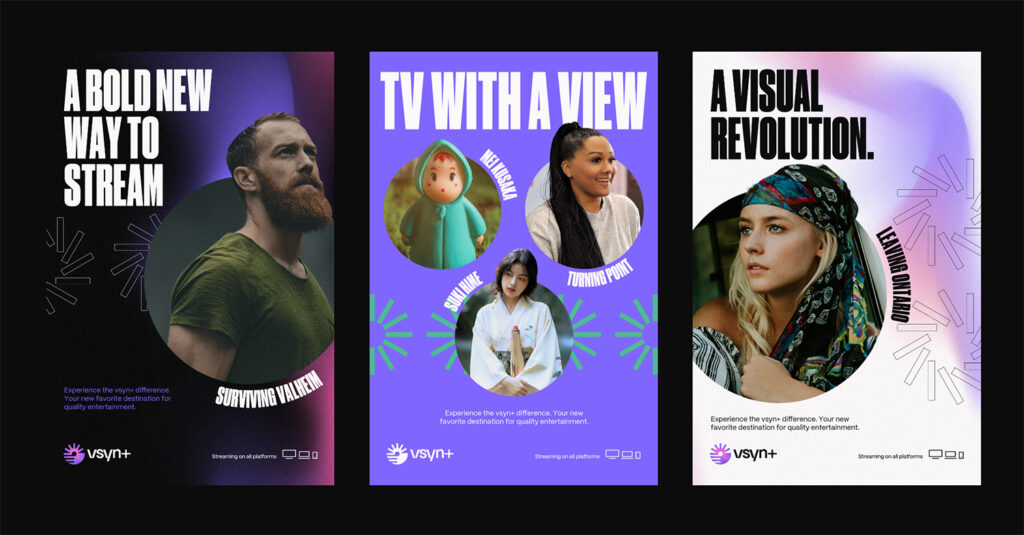
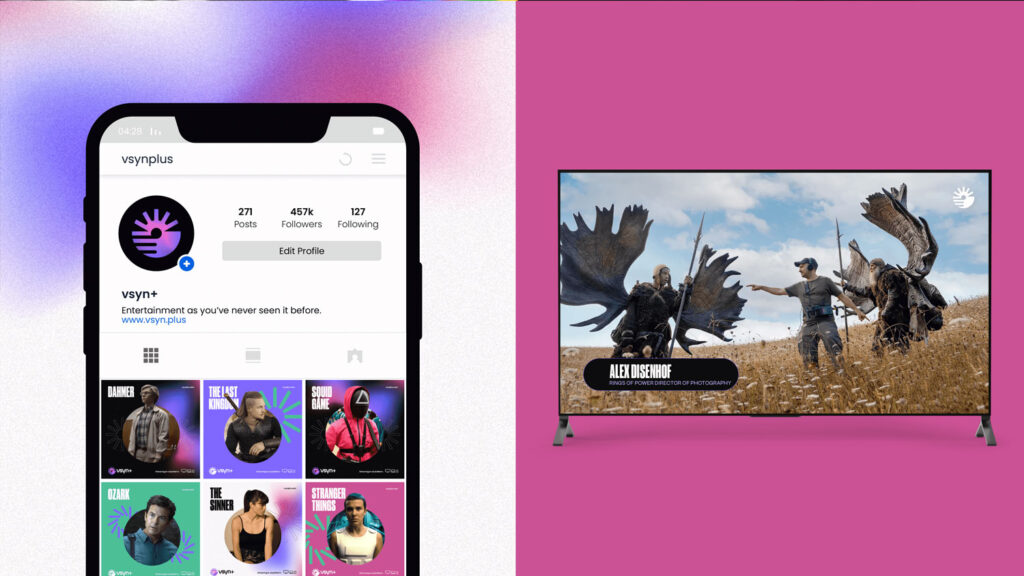
VSYN+ launched as a fully formed cultural platform, not a feature-driven startup. It had a distinct name, a defined brand strategy, a messaging framework, and a visual identity system built to scale.
The brand stood as a visual and cultural signal for the ASL community, one that reflected belonging and empowerment rather than accommodation.
The approach
This was a brand built from nothing, and the process had to reflect that.
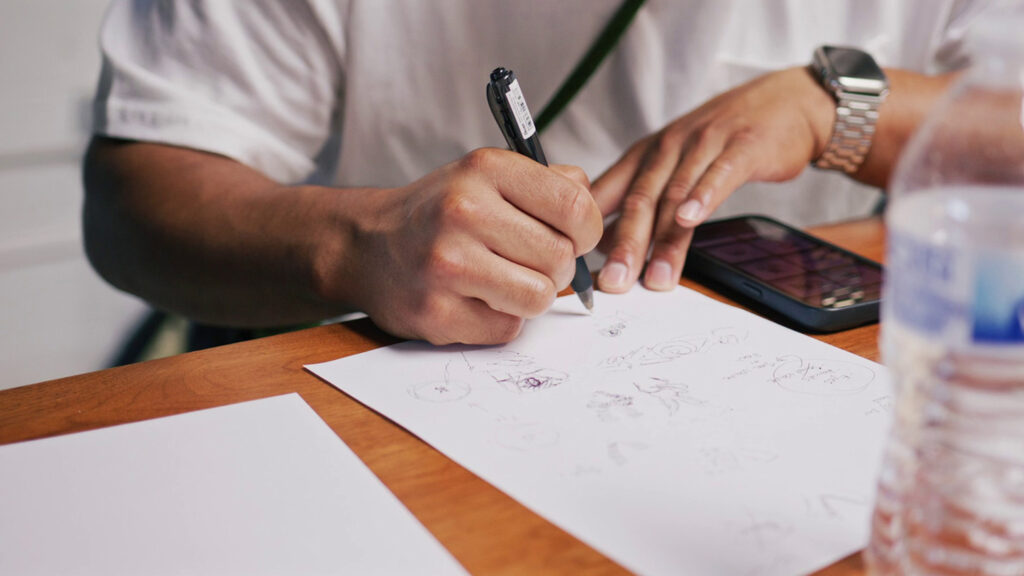
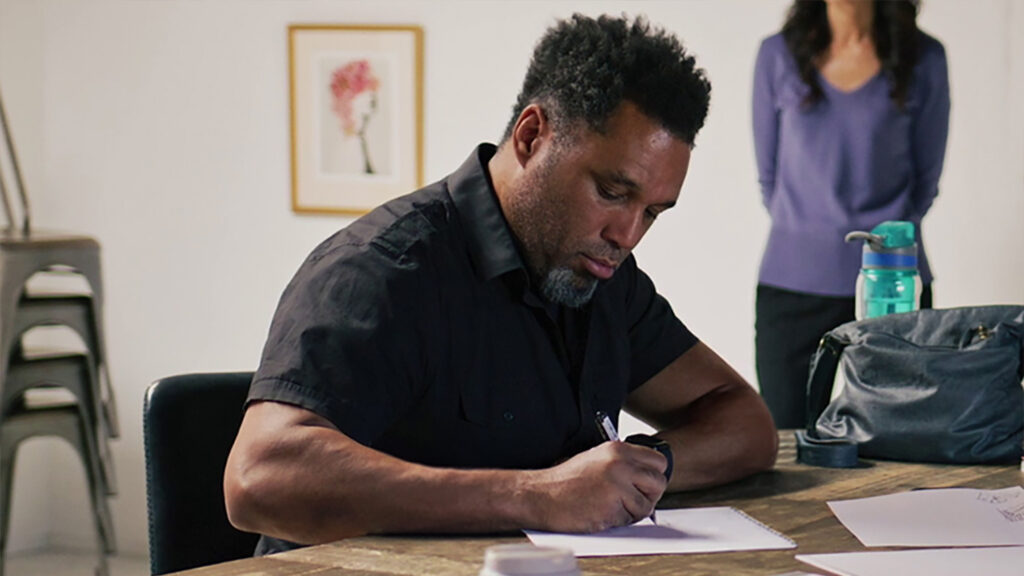
I led the creative direction and facilitated a workshop process that brought ASL designers and members of both the deaf and hearing communities into the development from the start. Community input was not a validation step at the end. It was part of how the brand was built.
The naming came out of that collaborative process. VSYN+, pronounced Vision Plus, was developed by my team and refined through client collaboration. The name captures two core elements of ASL’s visual language: sight and motion. It does not explain the platform. It embodies it.
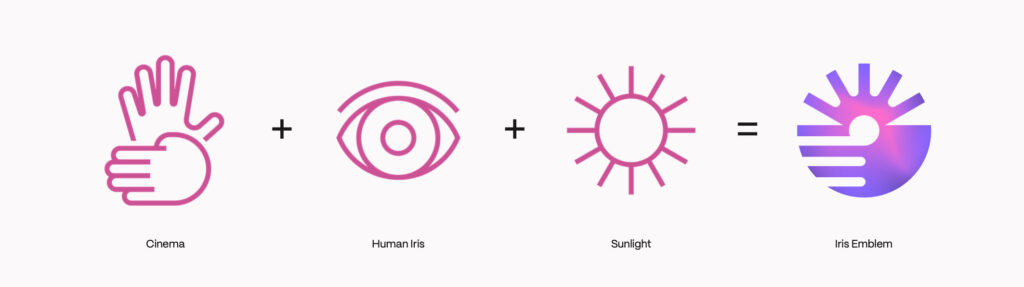
The first principle I established was clear: accessibility was not the headline. It was the baseline. The brand needed to project confidence, ownership, and pride. We were not designing for a niche. We were designing for a community that deserved a platform authored from within its own experience.
The brand system extended across platform, content, and a multi-channel approach that included live ASL-based customer support.
the core tension
Two things could not both be true at the same time: the platform needed to feel credible as a modern streaming service, and it needed to authentically represent Deaf culture from inception, not as an afterthought.
Lean too heavily on mainstream streaming conventions and the brand would feel like an adaptation, a hearing-world product with captions added. Overcorrect toward insularity and the platform risked limiting its own growth.
The tension was between category fluency and cultural authorship.
VSYN+ began with a business model, not a brand. The concept was clear: a streaming platform tailored for the ASL community. What did not exist was a name, positioning, or identity that could signal cultural authority. Growth required building credibility within Deaf culture while establishing relevance beyond it. The platform had to be authored from within, yet legible to a broader audience.
The Disconnect
Nearly 30 million deaf and hard-of-hearing individuals in the United States have been largely overlooked by mainstream streaming services. The content existed. The audience existed. The platform built specifically for them did not.
Signed Studios set out to change that. When they came to us, there was no name, no identity, no positioning, and no strategic foundation. Only a business model and a community that had never seen itself centered in this way.
The disconnect was between the scale of the ASL community and the complete absence of a streaming platform that treated their culture as the subject, not the accommodation.